When the roof is done, get it replaced right

Composition shingles in this climate tend to give you somewhere between twenty and thirty years, and the metro's 1980s and 1990s subdivisions are arriving at that line together. Replacement is the biggest roofing spend most owners make, which is exactly why the conversation before it matters.
How do you know it is time?
Shingles curling or cupping across whole slopes, granules washing out of the gutters by the handful, bald patches where the mat shows through, moss that keeps coming back thicker each winter, and repairs that stop holding. One slope failing is a repair question; every slope aging together is a replacement question.
Strip it off or lay over?
Some roofs can take a second layer; some cannot, and the answer depends on what is under yours now and what shape the decking is in. Homes that still carry old cedar on spaced sheathing (common on pre-1940 houses in the inner eastside) need the whole deck replaced before composition can go down. Oregon requires a building permit when a reroof strips everything and replaces the sheathing, and Portland adds its own triggers on top. The roofer sorts which rule applies to your house and files where needed.
What moves the price?
Roof size and pitch, layers coming off, decking repairs found once the old roof is open, the material going on, and access. Steep West Hills lots and tight inner-eastside streets both cost more labor than a flat suburban lot. Quotes should name the material line, the underlayment, and what happens if bad decking turns up mid-job.
Which material holds up here?
Architectural composition shingles are the default for a reason. Metal sheds moss and needles better and lasts longer; it costs more up front. Cedar is beautiful, high-maintenance, and harder to insure than it used to be. The service pages on this site cover each one.
Available in your town
Other services
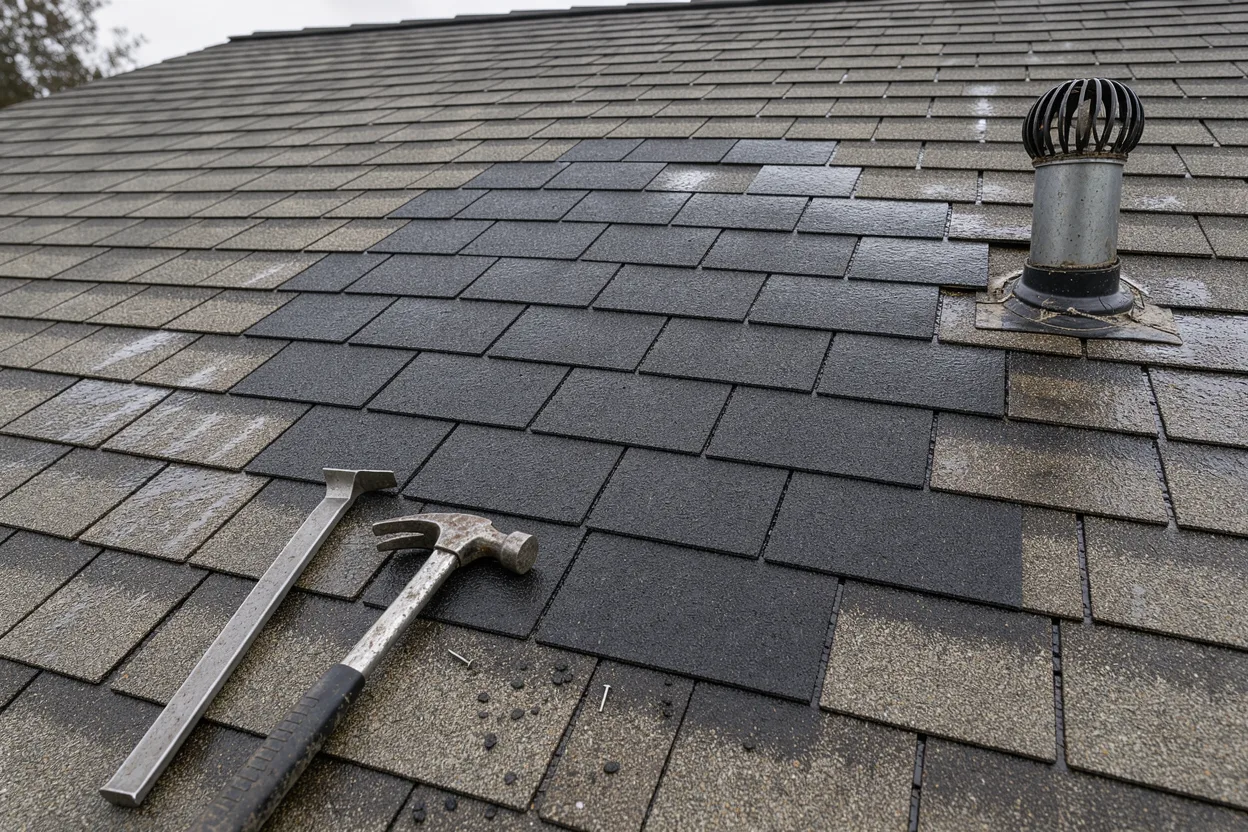
Roof repair
Leaks, lifted shingles, failed flashing, and moss damage traced to the real entry point.
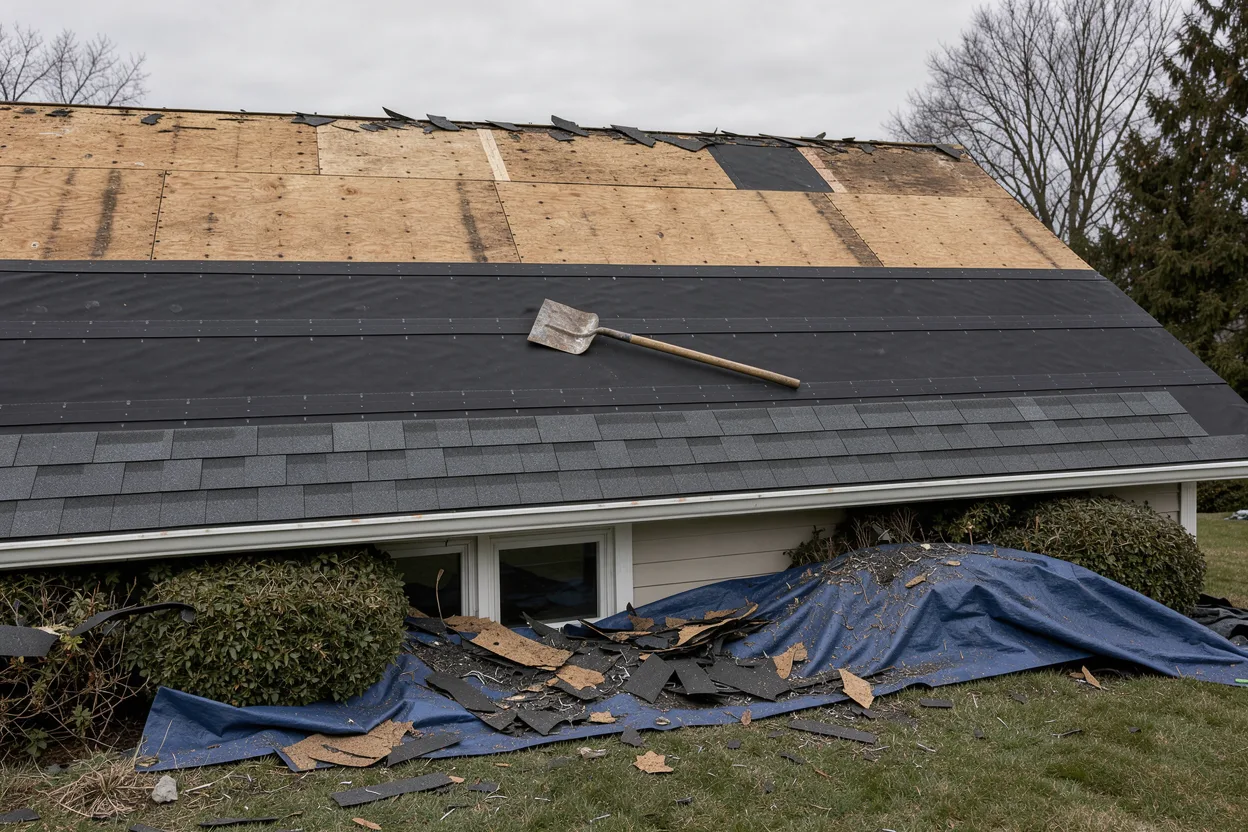
Roof replacement
Full reroof from the deck up, material options for the wet season, permits handled where required.
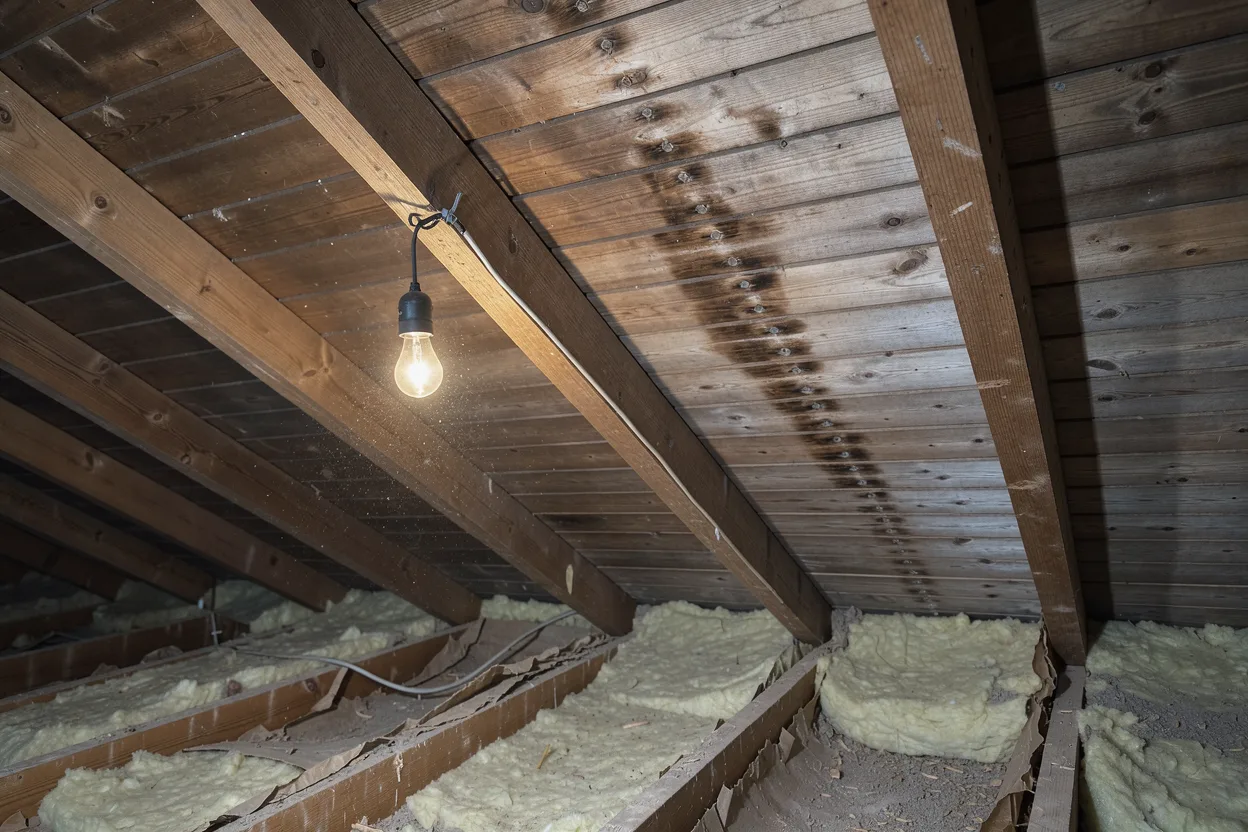
Roof inspection
Condition checks for sales, insurance renewals, and roofs that are simply getting old.
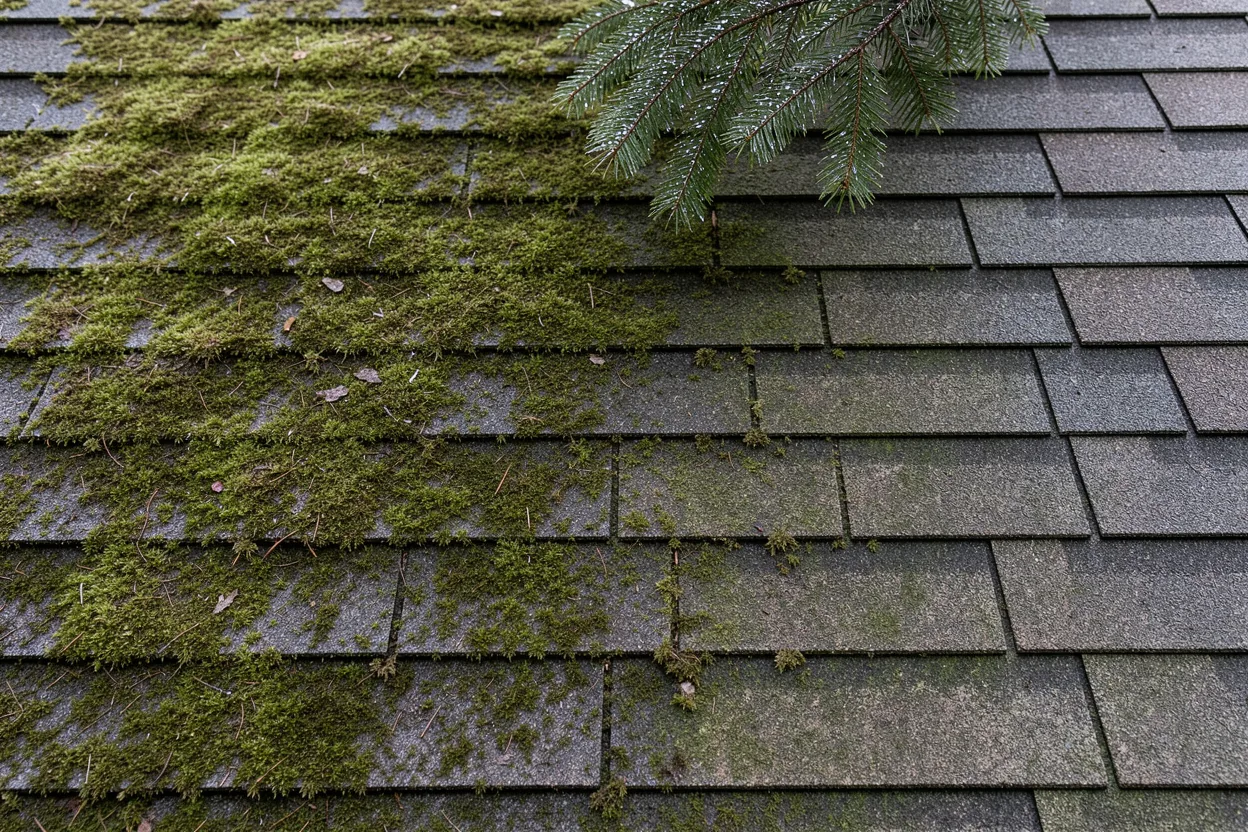
Moss removal
Moss and algae removal done the way shingles survive it, plus treatment that slows the return.
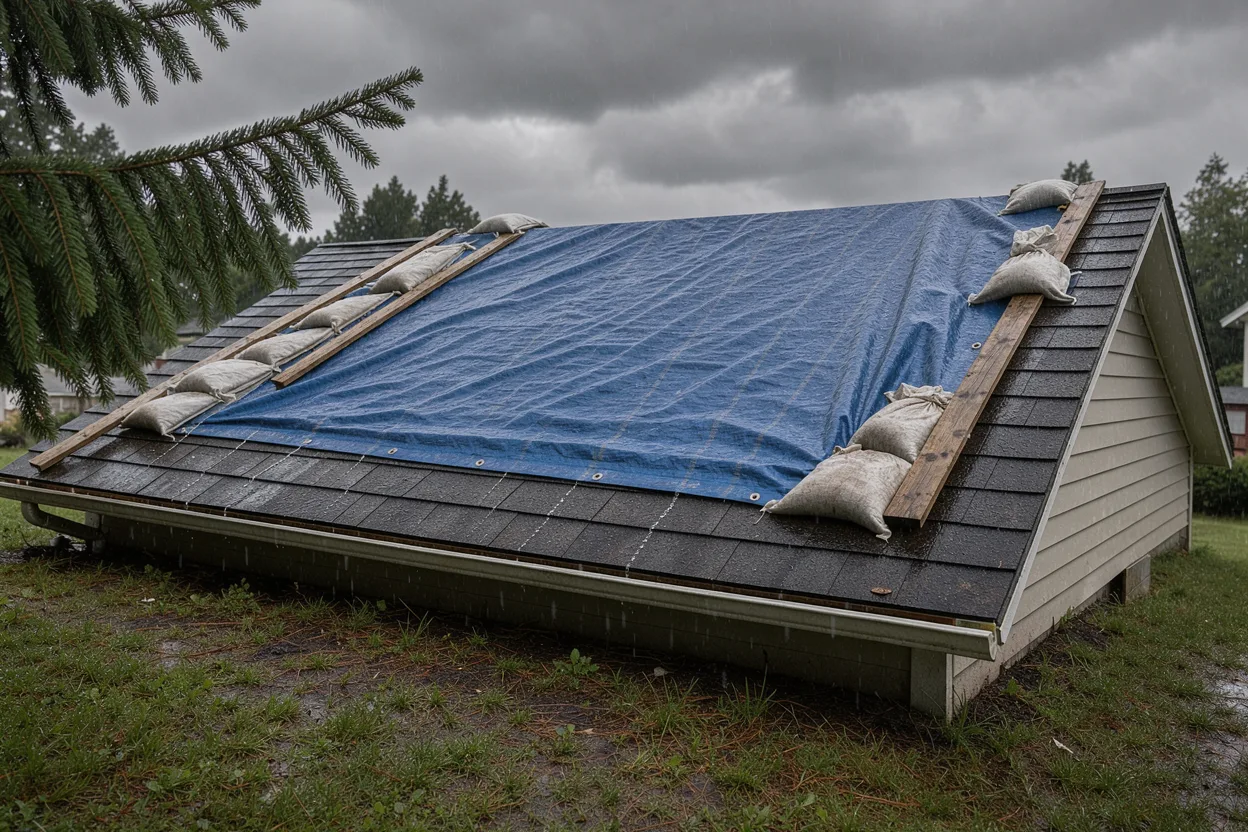
Emergency repair
Active leaks, tarping, and storm damage triage when the roof cannot wait for a dry week.
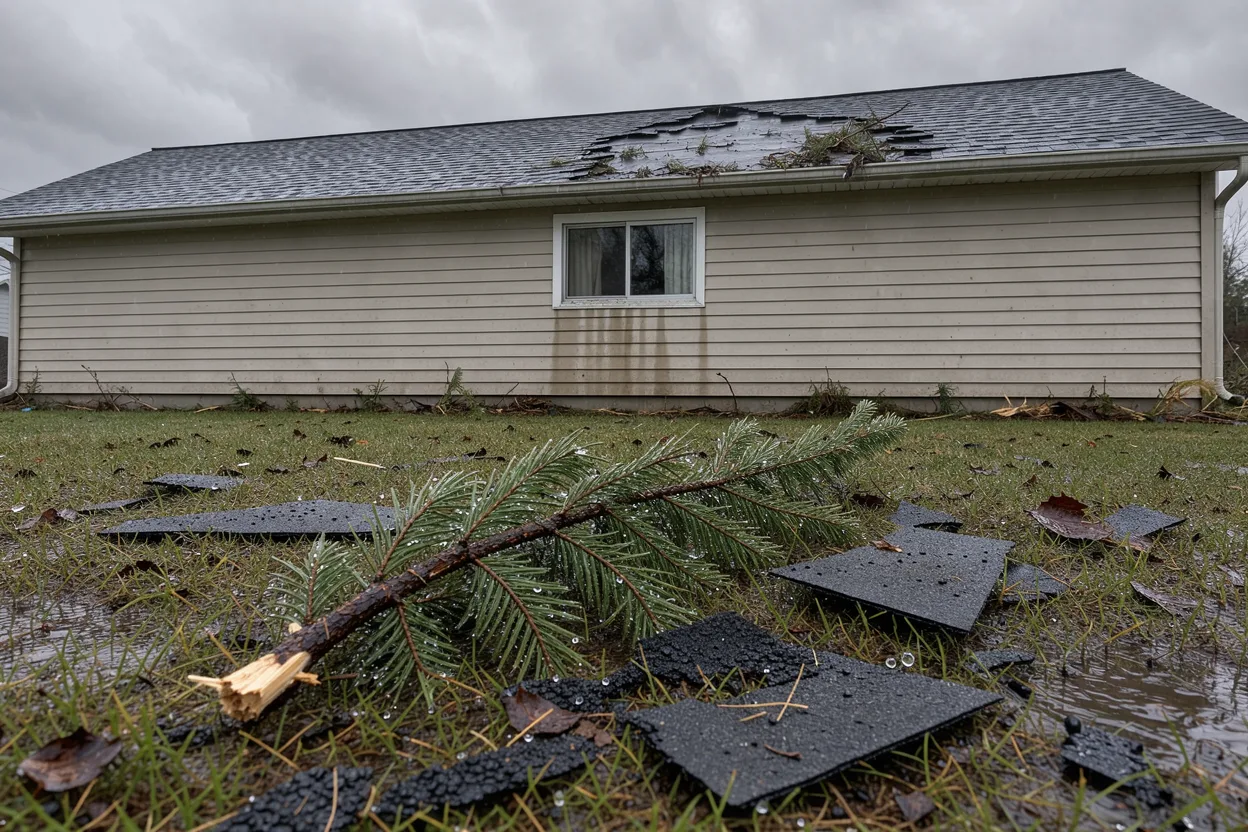
Storm damage
Wind, limb strikes, and hail damage documented for insurance and repaired by local roofers.
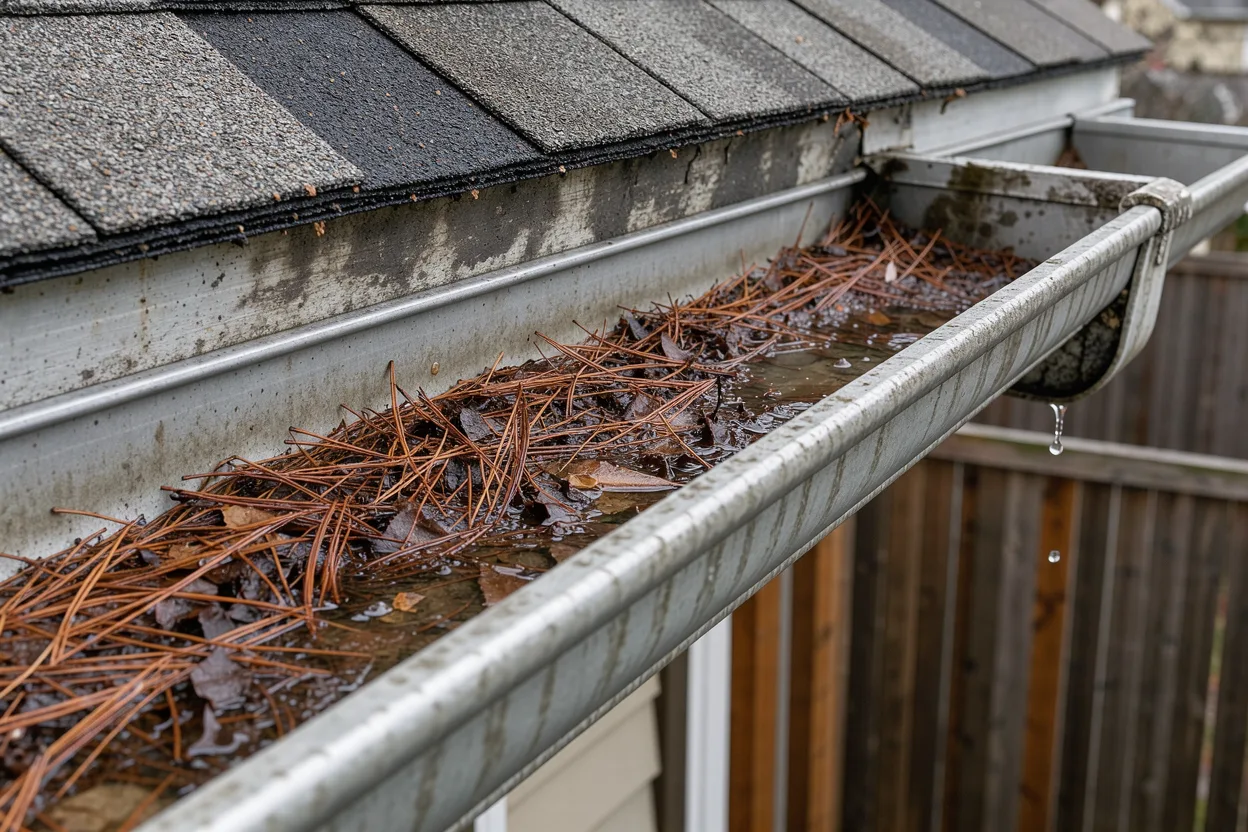
Gutter services
Cleaning, repair, and replacement for gutters that have to move serious water for half the year.
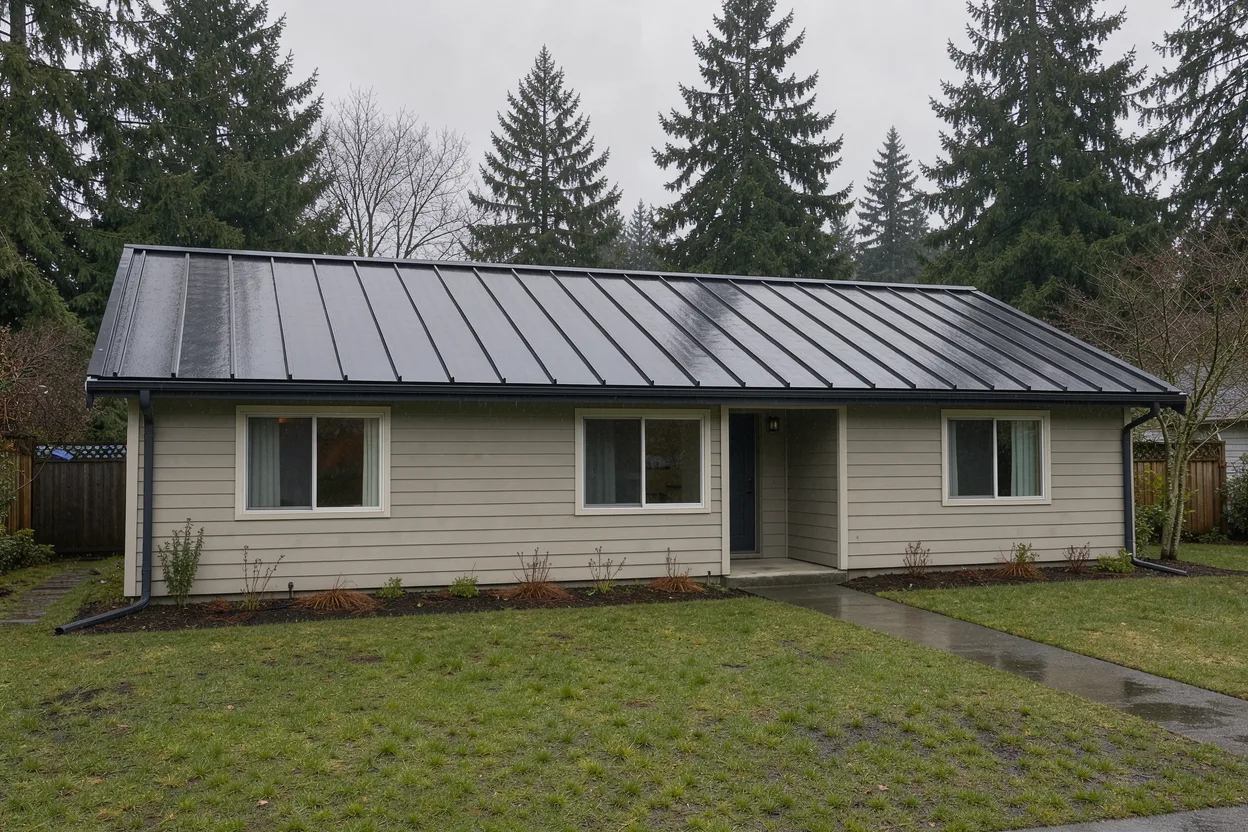
Metal roofing
Standing seam metal that shrugs off moss, needles, and seven months of rain for decades.
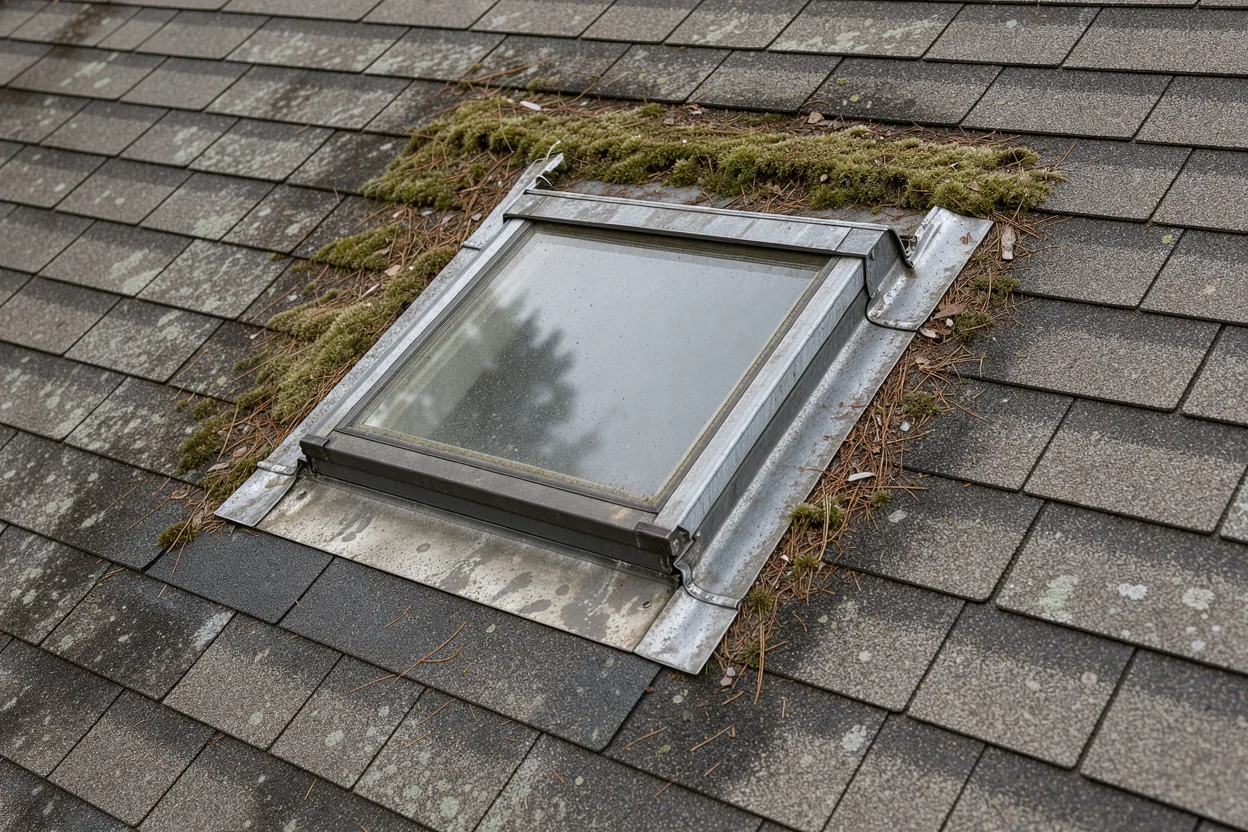
Skylight repair
Leaks, failed flashing, and fogged units diagnosed and fixed, or swapped during a reroof.
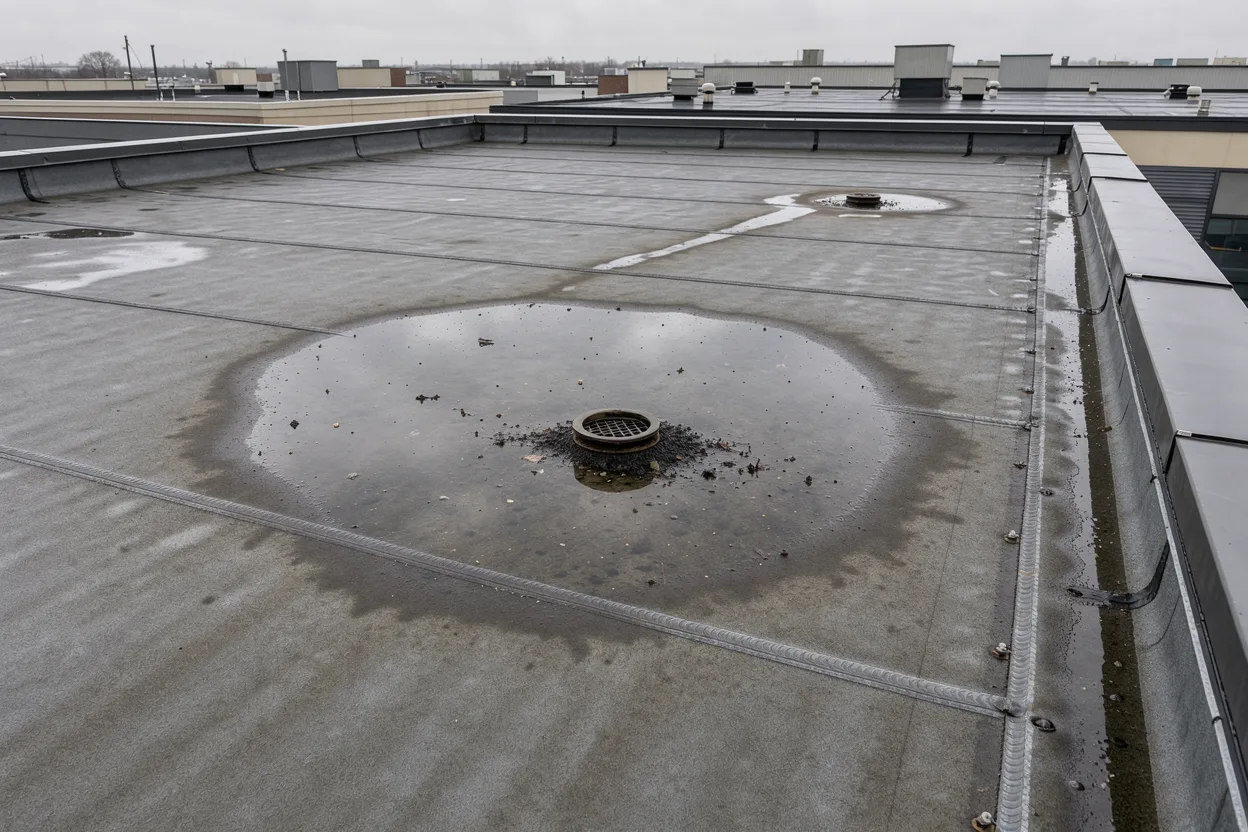
Flat roof repair
Membrane leaks, ponding, and drain problems on low-slope residential and commercial roofs.
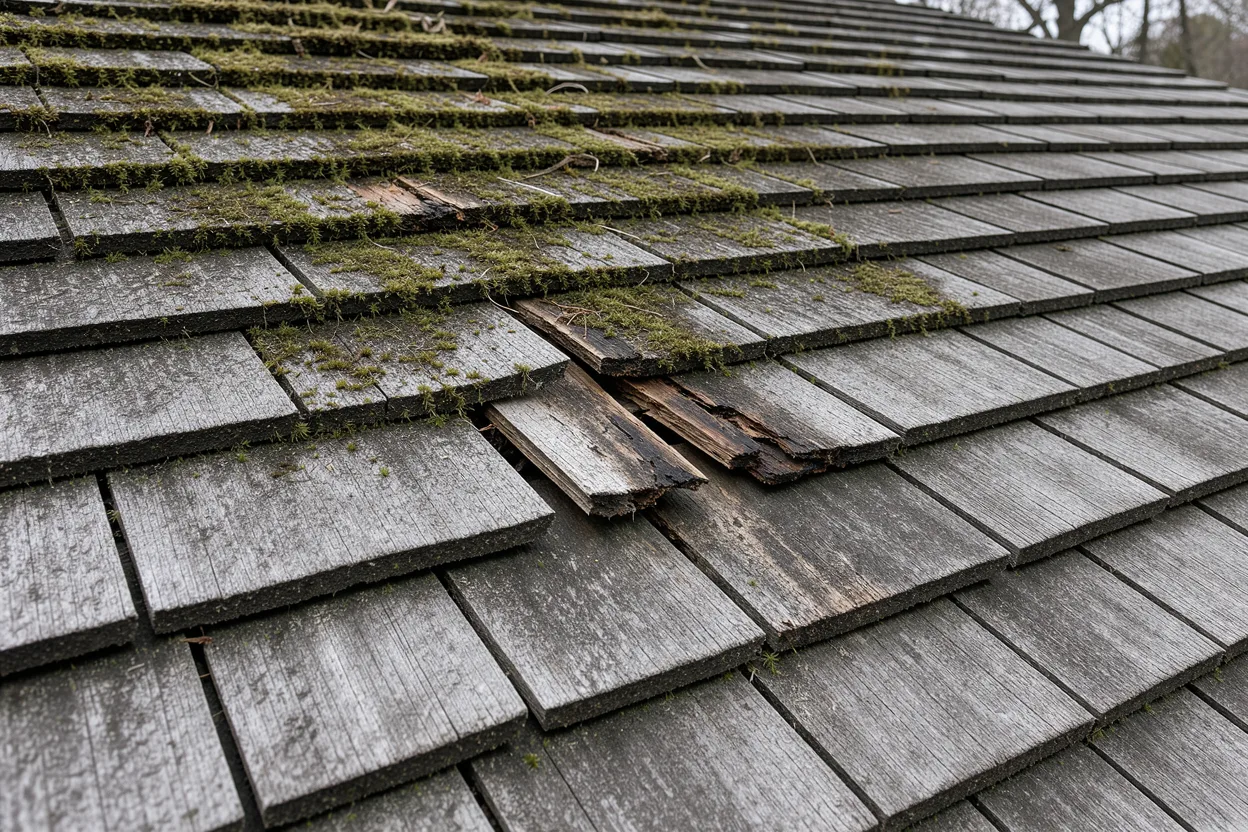
Cedar shake
Shake maintenance and honest conversion advice for the Portland area's aging cedar roofs.
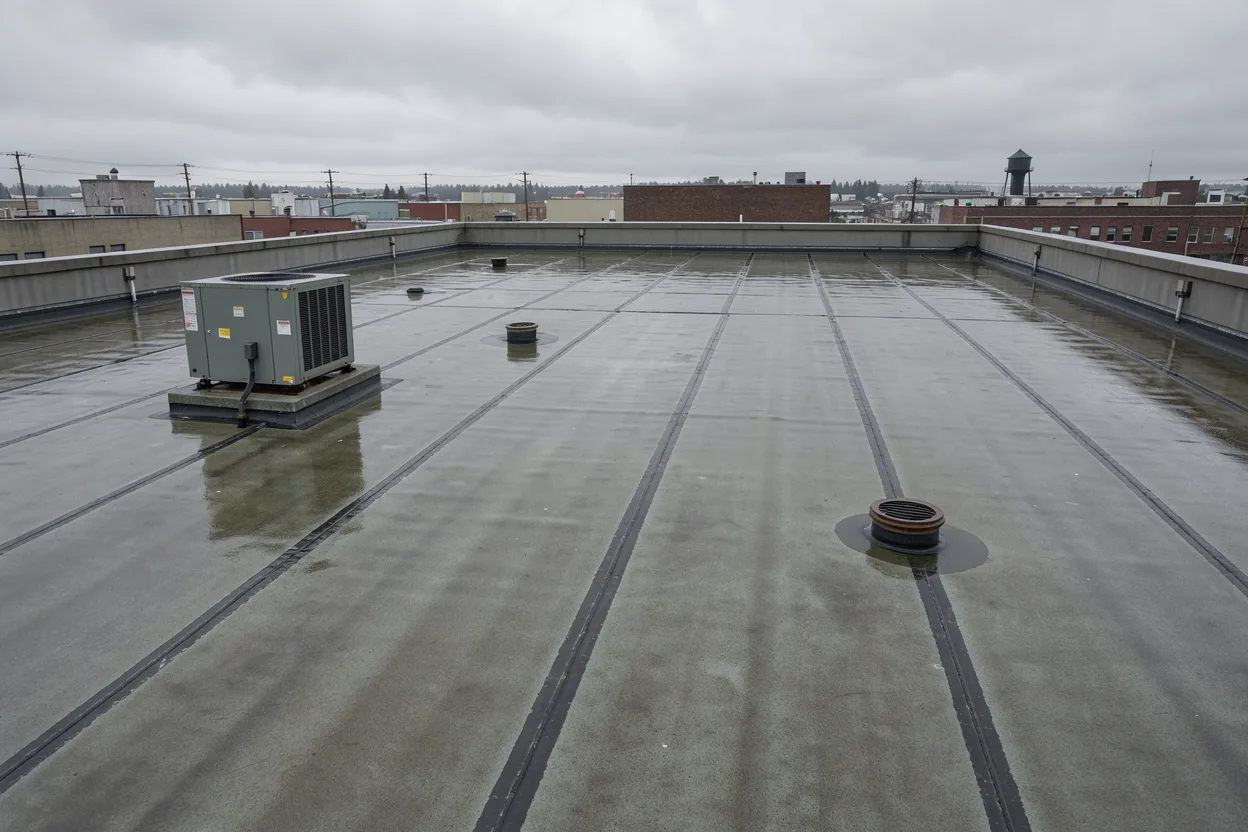
Commercial roofing
Membrane repair, restoration, and replacement on flat and low-slope commercial buildings.


